
Why is my sofa deflating within 12 hours of inflating it?
There are a few common issues that could be happening if your couch is not staying inflated. Go one by one on these to try and fix the issue.
1. Inspect Plugs and Valves
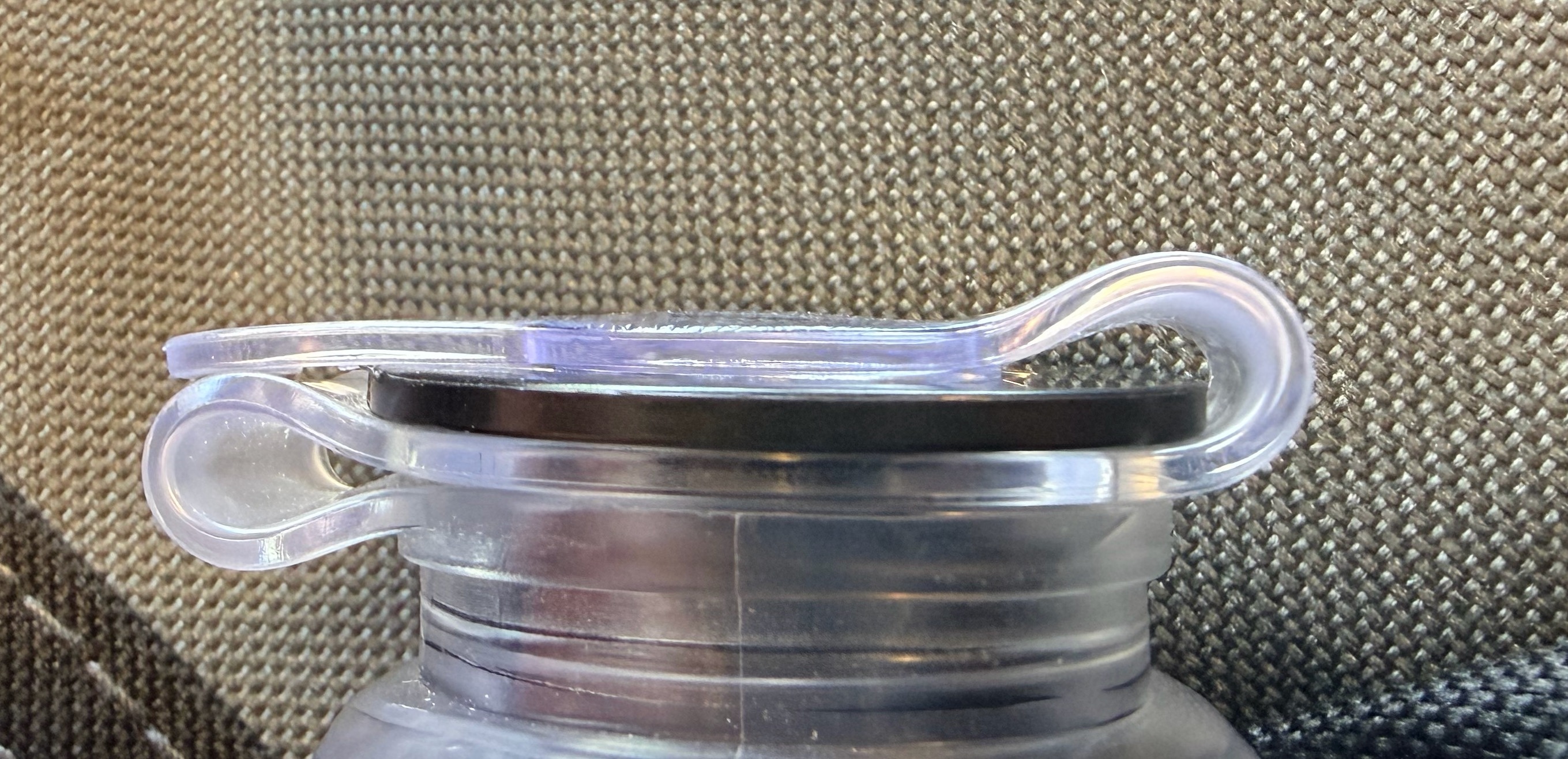
Ensure that all plugs and valves are securely in place and pushed all the way together. This is crucial for maintaining the integrity of the inflatable structure. Many times the plugs may just be pushed in part way even when you initially though they were put in all the way. Here is a picture of what the plug should look like when appropriately closed.
2. Understand Air Expansion and Contraction
Be aware that hot air expands while cold air contracts. This natural phenomenon may cause the couch to appear deflated or give the impression of a leak. Regularly monitor the couch's inflation level, especially when transitioning between different temperatures. If you fill the couch in the hot afternoon, in the evening when the air cools down it may cause it to look deflated.
3. Examine the Valve Interior
Check the inside of the valve for any signs of damage, such as cracks or punctures. Additionally, ensure that the valve is not folded, as this can impede proper sealing and lead to air loss. Do this by pulling open the black plug and looking at the back for the softer black plastic that helps hold the seal.
4. Look for Small Leaks
Conduct a thorough inspection for small leaks. If you suspect a leak, you can use soapy water to identify the source; bubbles will form at the site of the leak.
5. Monitor Bladder Stretching
During the initial inflation of the couch, the bladder inside may stretch slightly. This can create a temporary sensation of deflation. After the first 2-3 times being fully inflated the bladder should be stretched to its maximum and should be able to hold its shape for at least 24 hours.